There’s been an unfortunate surge of fake BOTOX® cases across nine states throughout the country, causing harmful reactions and putting several regular users at risk. These injections are coming from both licensed and unlicensed professionals, typically in settings like homes or non-medical type spas (red flag!), and result in symptoms like rash, shortness of breath, difficulty swallowing, and blurred vision—which have led to some hospitalizations. Although North Carolina currently isn’t one of the reported affected states, the CDC is urging everyone to avoid unlicensed providers and take extra precautions. Here are some tips on what you can do to protect yourself from “faux-tox.”
Look for providers who are established in the community
Pop up events can be done well without concern but don’t be fooled by pop-up events that aren’t staffed by reputable providers! BOTOX® and other brand tox injections should always be administered by medical professionals, in a clean establishment (look for a board-certified MD, PA, or NP as part of their professional lineup). If you’re going to get an injection at someone’s home, a hotel room, or a non-med spa/doctor’s office, do your due diligence because it should be a red flag and at least cause pause.
Search FDA-approved BOTOX® manufacturers/licensed providers
One of the best ways to find a licensed provider for BOTOX®, Dysport®, XEOMIN®, or DAXXIFY™ is to go directly to the manufacturer’s website (say, Allergan Aesthetics), which has a list of the professionals they distribute their products to. Can’t find it online? Give the company a call. They love to verify providers for you. You can also ask your provider where exactly they are sourcing from. Here’s Allergan’s provider search, which includes Azura and our own medical director, Dr. Tellis!
Be skeptical of super-low prices
If it sounds too good to be true, it probably is. Scammers are taking advantage of people who will take advantage of a good deal. If someone is offering you BOTOX® at an extremely low price—and requiring to be over, say, Venmo or Cash App—it’s likely fake.
Ask to look at the bottle
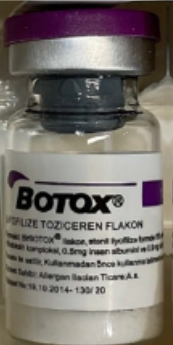
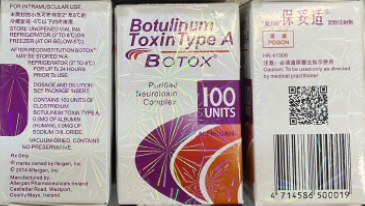
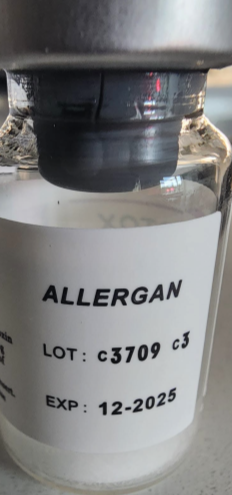
If your provider is legit, they should have no issue with showing you the product they’re using. In the United States, the language on the vial should be in English in order for it have been approved by the FDA. If it’s in any other language, chances are it’s not FDA-approved. Also, some products such as BOTOX® have special markings such as a hologram on the bottle. If you can’t see it, it is not FDA-approved.
Check the before and after photos
Be sure to look over the before and after photos on the provider’s website to make sure they’re actually their own patients’ photos. There will likely be some type of watermark somewhere that lets you know it belongs to them. And always schedule a consultation first to meet the provider in person!

Symptoms to look out for
If you do happen to get scammed into fake BOTOX®, there are certain symptoms that could tip you off—and you should seek medical help immediately. These include slurred speech, vision changes or difficulty moving your eyes, weak muscles, and difficulty breathing.
Put Your Trust in Azura Skin Care Center
With scammers getting smarter and smarter, it’s getting easier and easier to fall for scams like fake BOTOX®. But the key is outsmarting the scammer. With these helpful tips, you can protect yourself from those delivering faux injections and other medical procedures. Of course, Azura is a licensed medical spa approved to distribute BOTOX®, so you can always trust us! Request an appointment now by clicking the button below.
