At Azura Skin Care Center, we are happy to have Dr. Angelo Tellis as Medical Director. Under his expert guidance, we are able to offer more advanced cosmetic procedures for those interested in body shaping and contouring.

Dr. Tellis joined the Azura team and began to consult patients and perform aesthetic procedures in January 2017. He has honed his aesthetic skills since 2011 working with experts on a national and international basis. He specializes in a more natural, less invasive but high tech approach to meeting your aesthetic needs. He has almost a decade of experience performing procedures such as Tumescent Liposuction, Lipotransfer, and Scarless Breast Reduction using a minimally invasive approach all in an office procedure room setting.
While Dr. Tellis offers consultations and treatments for his specialized procedures at Azura Skin Care Center, he is also the physician owner of Aegean Med Spa based in New Bern, and he sat down with his Practice Manager Annie to answer some of your burning questions about fat transfer. This is the first episode of “Tell Us With Dr. Tellis” and we can’t wait to see what you think and what you learn.
Q&A on Fat Transfer
Q: What makes you a good candidate for a fat transfer?
A: People who are good candidates are those who are looking for a more natural approach and want to avoid having a foreign substance in their body. This is a great way to accomplish a similar goal while using your body’s natural material.
Most people are good candidates for a fat transfer, however, you need to have enough fat to reach your goal. (We will go into this more later.) I have a “built-in fat finder” and I am able to find fat on almost everyone but we will be sure to discuss your goal and expectations up front to make sure this is the right procedure for you.
Q: How long is the downtime?
A: I tell patients that this is a great weekend procedure! You can have it done on Friday and be back to work Monday or Tuesday. If you are doing a lot of heavy, physical activity for your work it may be a little bit longer but most people are back to work in two to three days. Post-procedure, you will wear a compression garment that keeps you supported and comfortably aids the healing process so you are able to get back to normal activities sooner.
Q: How bad is the scarring?
A: Not bad at all! We are talking about tiny two-millimeter areas that we go in to do the harvesting for the liposuction. Those generally end up disappearing or looking like a freckle. They will go through changes that first year but they mostly fade away. We try to tuck those out of the way or where the sun does not shine. Always make sure you wear sunscreen to help with the scarring!
Q: How does weight loss or weight gain affect if you are a good candidate for lipotransfer and the results of the procedure?
A: If you think you need to lose a significant amount of weight after this procedure, you are probably not a good candidate. The benefit of this procedure is that it’s a win-win: we reduce the areas where you want to lose fat and enhance the areas you want to enhance. The number on the scale is not as important as the inches lost and the sculpting to achieve your desired look.
I tell patients to go into the procedure thinking that after they are done they could probably gain a few pounds. You will likely gain more weight in the areas where fat was transferred and less in the areas where liposuction was performed. This is because there are more fat cells in the transfer area and fewer in the liposuction areas. Therefore, gaining a little weight can enhance the areas you want to improve.
70% of the fat survives after the procedure. The fat cells don’t necessarily add volume until you fill them up with fat. When you gain and lose weight you are not increasing or decreasing the amount of cells that are in the area, you are increasing how much fat is being stored in those cells.
Q: Do you use anesthesia to put patients to sleep and if you do not, why not?
A: We do not put patients to sleep because it is unnecessary for the procedure. Using anesthesia adds a significant layer of risk and can lead to complications. Additionally, it considerably increases the cost of the procedure.
Instead, we use tumescent fluid which contains a numbing agent and some medicine that helps to minimize bleeding and bruising. This solution is infused into all the areas we are sculpting or performing liposuction on, and it gets absorbed into the tissue, providing 10-12 hours of anesthesia. Additionally, we provide medication before you arrive that helps you feel drowsy, relaxed, and often causes patients to fall asleep intermittently during the procedure. However, you remain able to breathe on your own without the need for breathing tubes. This approach also allows you to turn and change positions, enabling me to treat areas from different angles, enhancing the overall results.
Q: What are some of the side effects of fat transfer?
A: There will be some swelling and potential bruising afterward, which is common with any procedure like this. You may also experience some fluid drainage. While there is always a risk of infection with any procedure, we use sterile techniques and take all necessary precautions. Additionally, I prescribe antibiotics as a safeguard to minimize any infection risks.
There may also be side effects to the medications and you may feel a little sluggish and slow. Some of the medicines can slow your bowels down, especially pain medicine.
All-in-all, there are very few side effects. No large cuts, no open wounds, no serious complications.
Q: Do you have an area that you consider is the best place to get fat from?
A: I have been performing this procedure for over a decade and have observed differences in the quality of fat from various areas of the body. Although there aren’t specific studies confirming this, my experience shows that the best quality fat typically comes from the lower abdomen and inner thighs. The fat can be harvested from a variety of locations but those two are probably the best in my opinion.
Q: Most people know about fat transfer to the buttocks and fat transfer to the breasts is growing in popularity, but, many people do not know you can transfer fat to your face. Can you talk about this a little more?
A: It’s a fantastic natural “filler” that can restore volume to areas that have diminished over time due to aging. By using your own body fat, we can enhance these areas, and the fat that survives the process integrates with your natural tissue, providing long-term, lasting results. Additionally, if you gain a little weight, the treated areas may plump up even more. Plus, it’s the same price as three syringes of traditional filler but lasts significantly longer. I love this treatment for patients that are looking for natural filler options for their face.
Q: How big can my cup size get?
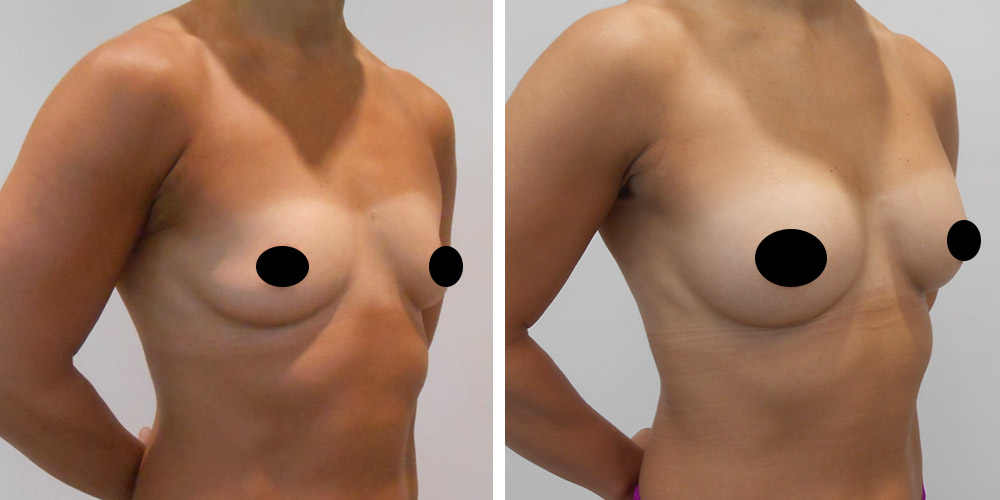
A: I tell patients to expect an increase of one to two cup sizes. However, if you’re an A cup and aiming to become a D cup, this might not be feasible, but we will set realistic expectations from the start.
The outcome also depends on the elasticity of your skin. For individuals with very tight skin in smaller areas, it may be challenging to expand, and we might need to proceed in stages. This approach works well because overloading a confined area with fat can be counterproductive, resulting in lower survival rates of the fat and potential wastage. We will discuss all of these factors during your evaluation.
Q: With the fat transfers, what clients do you feel see the biggest difference and leave the happiest?
A: I would say I like all of them. The face is something that is more dramatic to people because you are looking at your face every day. You have to go into it knowing you are going to look a little different because if you did not look different at all, why do the procedure? It is going to take more getting used to. People love it over time.
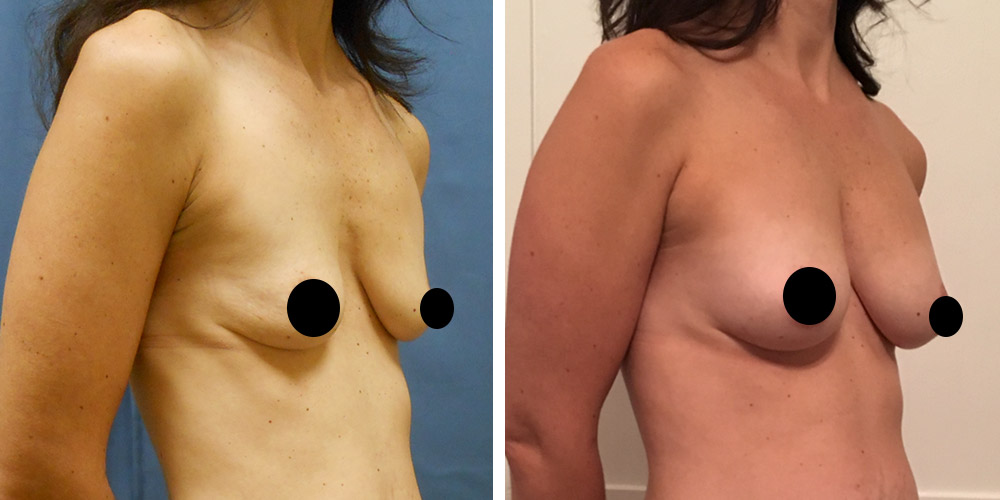
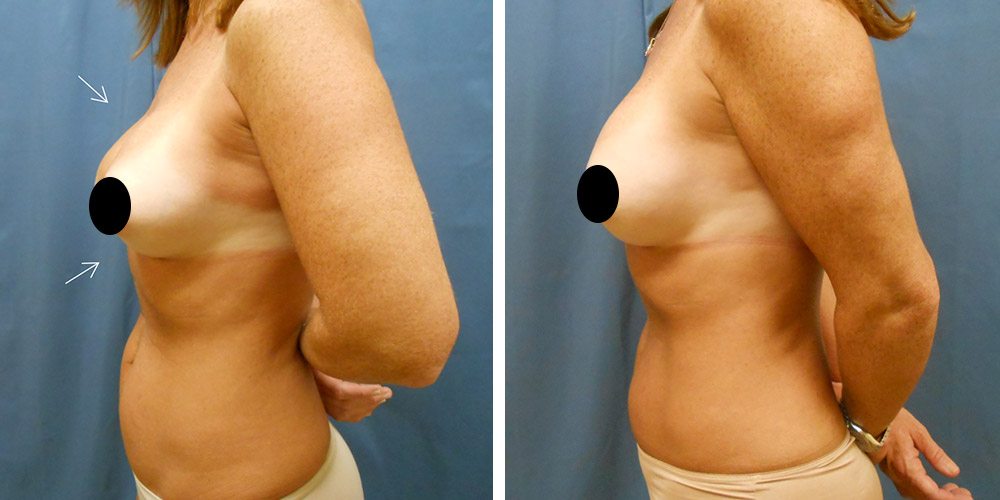
In the breast area, using body fat for enhancement can make a really big difference. Many people are thrilled with this option because it offers an alternative to implants, which come with their own set of cons. With recent developments and ongoing discussions about implants, the ability to enhance the breasts without using implants is a huge advantage for many individuals.
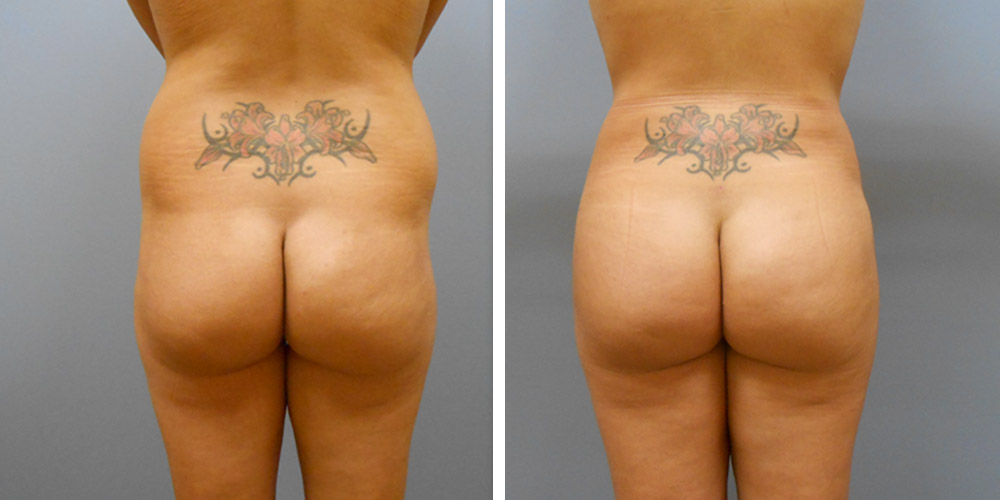
The nice part about the butt is you can sculpt and shape around the waist so you are kind of getting a double benefit because you are reducing the waist and increasing the buttocks so you get more bang for your buck.
Q: There is a lot of talk about fat transfers to the breast and mammograms. What is that whole thing about?
A: Any type of surgery can result in detectable changes in the treated area, and we take many photos of the breast to monitor these changes. If you have a mammogram after the procedure, it’s important to inform the radiologist about the surgery so they can interpret the findings accurately. In case of any concerns, an ultrasound or MRI can often be used for further evaluation without immediately resorting to a biopsy. The procedure is safe and has not been shown to cause cancer or breast cancer. This contrasts with implants, which have been associated with types of cancer in the breasts and can also alter mammogram results. Always make sure to notify your radiologist about any procedures you’ve had.
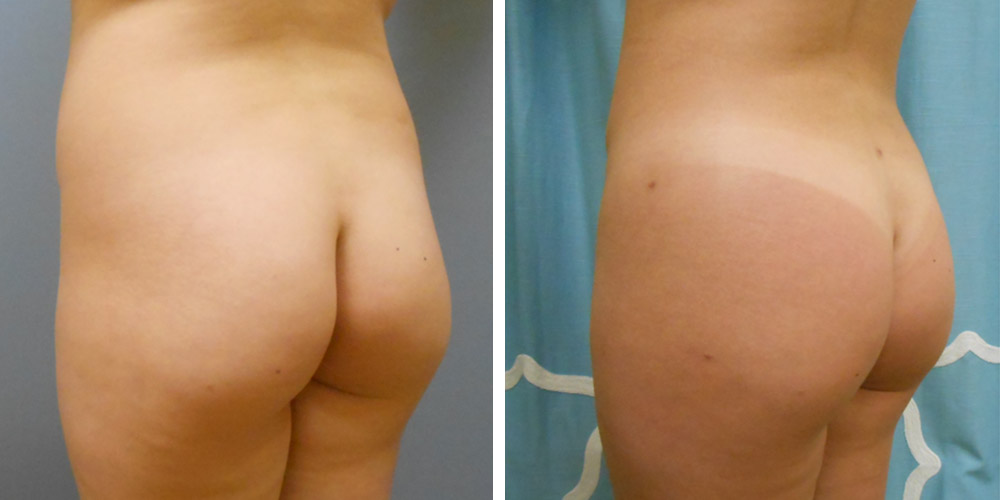
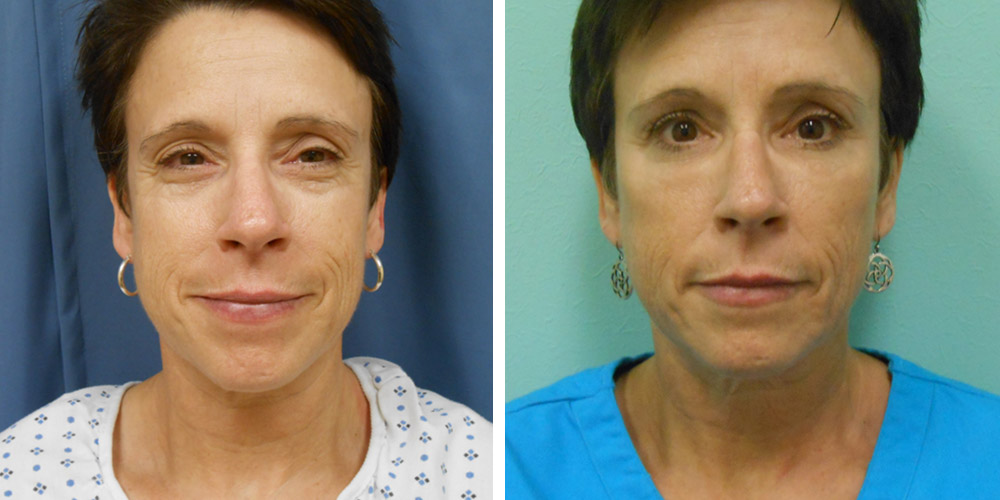
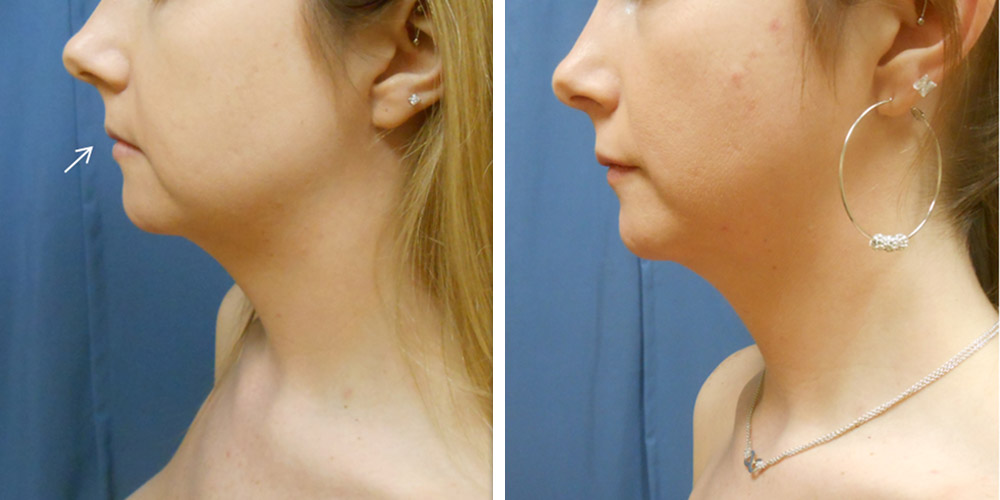
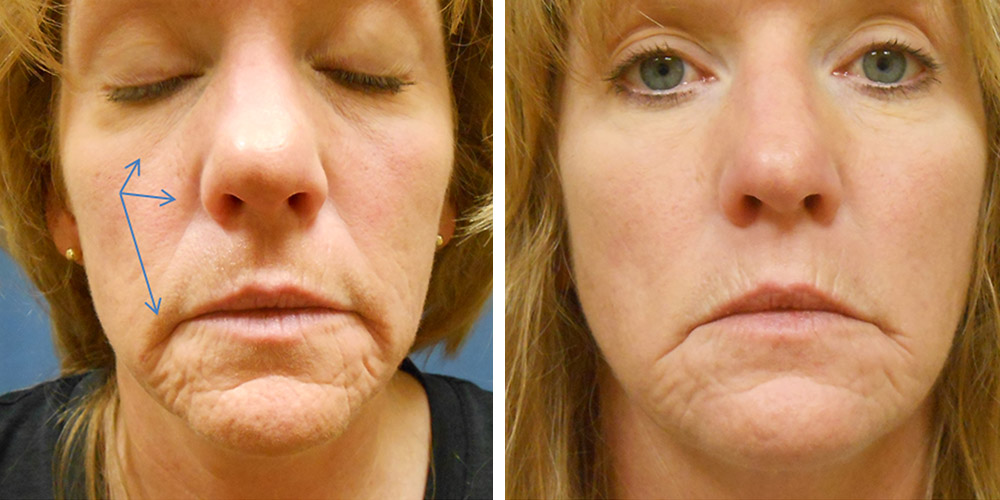
Before & After Photos

Ready to Schedule Your Consultation?
Each client will receive a personalized treatment plan based on their unique needs. Please request a consultation today via the form below so that we may discuss options for your individual best results.
